
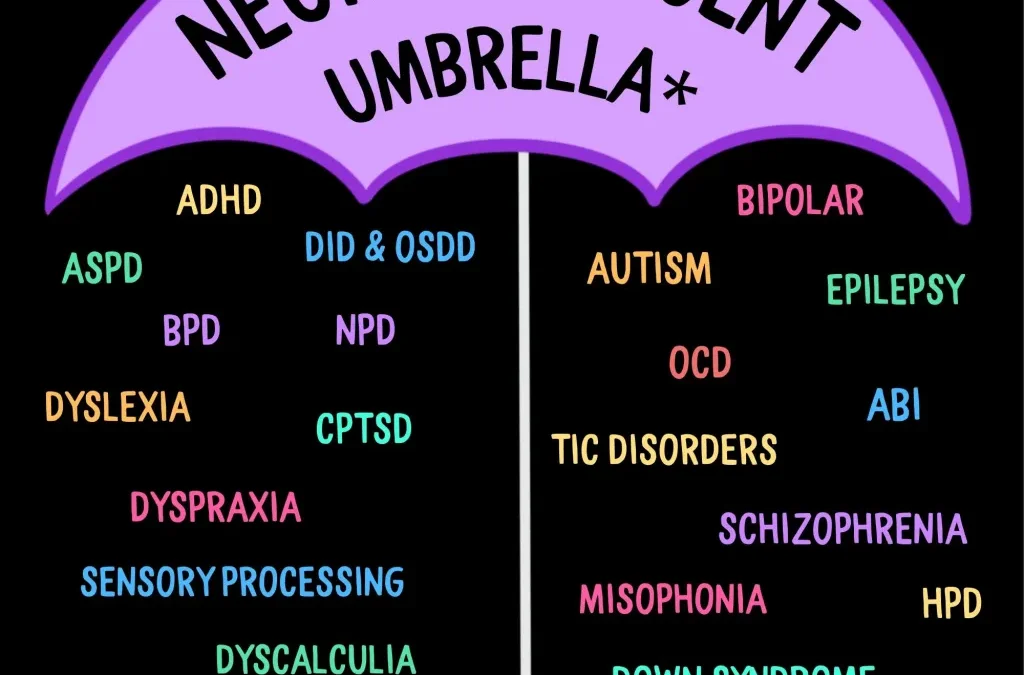
Do you have employees who are autistic, have ADHA, dyslexia, dyspraxia, dyscalculia, a developmental language disorder, tic disorders and/or acquired conditions like traumatic brain injuries? If the answer is yes, then the governments recently published independent report on Neurodiversity should not only be read, but its recommendations implemented into your business.
Needs rather than a diagnosis
The way many modern workplaces are set up can make things harder for neurodivergent workers. The report found that neurodivergent people can thrive in the workplace when they are given tailored employment support based on their needs, rather than a diagnosis. And that’s good news for them, great news for your business and even better news for the economy as a whole.
Neurodivergent people bring valuable skills and perspectives to the workplace and its up to employers to encourage open communication, remove barriers/make adjustments to the environment and ensure an inclusive culture which will allow people to do their best work.
Some of the adjustments the report refers to include:
- Tailor workplace support to individual strengths and communication preferences, sensory needs, and executive functioning challenges, rather than waiting for formal diagnostic labels.
- Build workplace environments, digital systems, and processes that accommodate everyone from the outset, rather than relying on reactive individual adjustments.
- Foster an environment where employees feel safe disclosing neurodivergence, asking questions, or discussing mistakes and difficulties without fear of stigma or damaging their career perception.
How this might work practically is shown below
- Communication adjustments. Use direct and literal language, by making sure that you avoid vague idioms, heavy corporate jargon, or unwritten social rules that can lead to confusion. Send clear step-by-step instructions, agendas in advance of meetings, and written summaries of verbal conversations. Schedule regular, predictable 1-to-1 meetings to review workloads, priorities, and any challenges or obstacles.
- Recruitment & Performance Management. Make changes to your hiring processes so that interview questions are shared in advance, offer options for less-pressured panel assessments and provide quiet waiting areas. Look to evaluate performance based on results and deliverables rather than traditional social markers like making eye contact, making small talk, or working a rigid 9-to-5.
- Environmental changes. Provide noise-cancelling headphones, quiet zones or pods, and dimmer or alternative lighting options. Allow remote days, flexible start and end times, or quiet hours to help staff manage energy levels and avoid burnout. Make speech-to-text, screen filters, visual planners, or ergonomic/standing desks readily accessible.
- Culture, Safety & Training. Implement a process whereby employees can record their specific communication and support preferences and which can be updated over time. Run mandatory neurodiversity awareness training for managers and staff to eliminate stigma, reduce unconscious bias, and teach teams how to prevent bullying or masking-related burnout. Create safe peer-support or employee resource groups where neurodivergent staff can share experiences and shape company policy.
- Current Legislation. Remember that there are existing obligations under the Equality Act 2010 and the Employment Rights Act 2025 to support workers with neurodiversity.
How can we help?
If you would like help to drafting new policies and processes, or advice on practical adjustments based on neurodivergence, then get in touch today by emailing caroline.robertson@actifhr.co.uk