
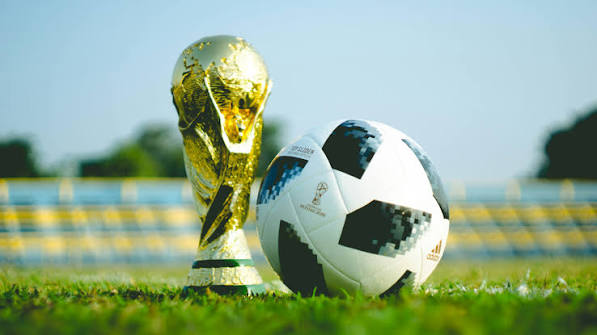
The World Cup kicked off last week and employers are likely to see a significant amount of interest among their workforces, particularly given that both England and Scotland qualified. This has led experts to predict that UK employers will experience approximately £681m in lost productivity, thanks to a rise in sickness absence and fatigue, exhaustion and hangovers.
It is anticipated that there will be an additional 2.3 million sickness absences. BBC research alludes to 27% of UK workers plan to come in late, leave early, or skip work entirely. It is suggested that the time difference, which means all matches will be held late at night/early morning UK time, will contribute to over 1.5 million workers logging “World Cup sickies,” and that over a quarter of employees may miss work entirely or adjust their shifts.
So if you’re an employer, what should you do balance operational demands with employee expectations? And how do you deal with a costly combination of absenteeism and presenteeism leading to business disruption caused by reduced productivity, customer experience and team morale as others are forced to pick up the slack?
Planning is essential
It’s essential that employers have already thought about it, undertaken some planning and have a fair, clear and simple policy in place, which has been communicated to all employers in advance and line managers briefed on how to handle request and their responses. It might also be helpful to review workplace ules: Reiterate your specific policies regarding alcohol or being unfit for duty to prevent post-match socialising from impacting on-the-job safety
To avoid mass absences and maintain morale, it might be necessary to implement flexible working strategies, adjust shift patterns, allow later start times the morning after key games and if feasible allow staff to work from home to minimise disruption.
Be mindful of key fixture times
In addition, showing matches at work if you have night workers, avoiding scheduling customer-critical work and meetings around key fixture times, will also help. As well encouraging employees to make up any lost time at a later date, book time off where games, or any after effects, might impact their work performance. However, what is also important is ensuring that non-football fans are not unintentionally being impacted by changes to people’s working schedules.
Employers must also offer the same arrangements to employees who may be supporting other countries, to avoid potential discrimination issues that might arise. They should also remind staff that they must not come to work hungover and that anyone caught drinking at work, or under the influence of alcohol in the workplace, could be subject to disciplinary procedures. And finally, make sure that if staff are taking more sickies over this period that you treat them as genuine, unless there is evidence to suggest otherwise, and pay SSP and any contractual sick pay to which they are entitled.
Fairness, balance and flexibility
Balanced against this is a need for employees to maintain open communication and complete transparency with employers. They should also look to avoid any unnecessary disciplinary action by booking leave or agreeing to shift swaps and flexitime well in advance, so they are able to watch the games, but without compromising their job responsibilities.
How can I help?
For help, advice and support in writing, checking or implementing policies so you can successfully manage workplace absences during the World Cup, please get in touch today, caroline.robertson@actifhr.co.uk